Earthquakes are a natural disaster that can strike at any moment, causing extensive damage to buildings, homes, and infrastructure. The violent shaking and ground motion produced during an earthquake can lead to the collapse of structures, resulting in devastating consequences. To mitigate the impact of earthquakes on buildings, engineers and architects rely on seismic bracing systems to enhance the structural integrity of the building.
A seismic bracing system is a series of elements installed within a structure to provide additional support and stability during an earthquake. These systems are designed to absorb and dissipate the energy produced by seismic forces, reducing the risk of structural damage and collapse. By implementing seismic bracing systems, builders can ensure the safety of occupants and minimize the financial losses associated with earthquake damage.
There are several types of seismic bracing systems used in construction, each with its unique features and applications. One common type of seismic bracing system is the braced frame system, which consists of diagonal braces installed throughout the building to resist lateral forces. These braces act as a network of support, transferring the seismic forces to the ground and away from the structure.
Another type of seismic bracing system is the moment-resisting frame system, which utilizes rigid connections between beams and columns to resist lateral forces. This system is effective in high-rise buildings and structures with large open spaces, providing enhanced stability and flexibility during an earthquake. By distributing the seismic forces across the structure, moment-resisting frame systems can prevent the concentration of stresses in specific areas, reducing the risk of structural failure.
seismic bracing systems are essential in regions prone to seismic activity, such as the Pacific Ring of Fire and the San Andreas Fault. These systems are designed to comply with local building codes and regulations, ensuring that structures can withstand the forces generated by earthquakes. By incorporating seismic bracing systems in building designs, engineers can enhance the resilience of structures and protect the lives of occupants.
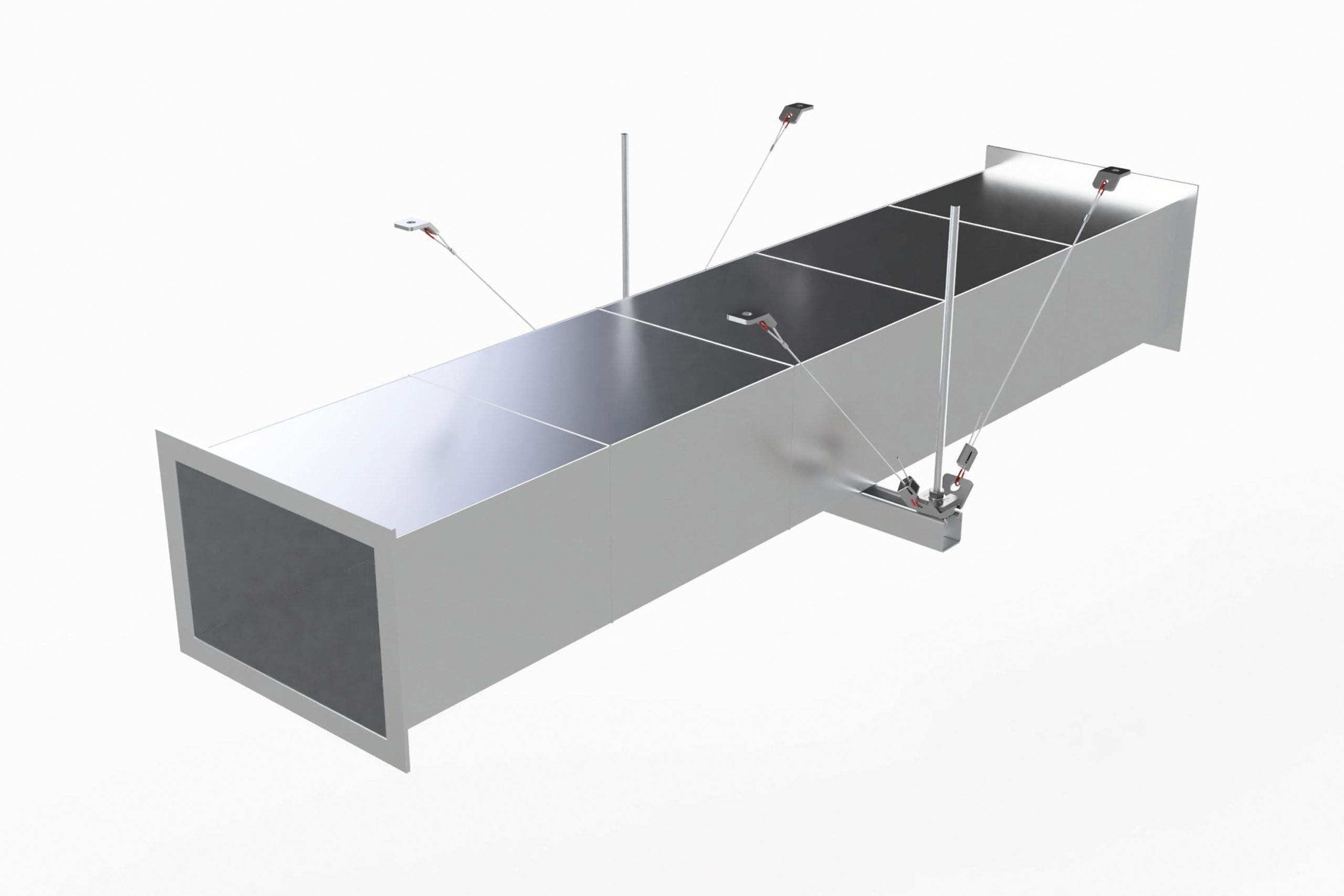
In addition to new construction, existing buildings can also benefit from the installation of seismic bracing systems. Retrofitting older structures with seismic bracing systems can improve their performance during an earthquake, reducing the risk of structural damage and collapse. By assessing the structural vulnerabilities of a building and implementing targeted bracing solutions, engineers can enhance the seismic resilience of existing structures.
The implementation of seismic bracing systems is a cost-effective way to protect buildings and infrastructure from earthquake damage. By investing in seismic bracing systems during the design and construction phase, builders can save on repair and replacement costs in the event of an earthquake. Additionally, the use of seismic bracing systems can reduce insurance premiums and liability risks, providing peace of mind to building owners and occupants.
As the frequency and intensity of earthquakes continue to rise, the importance of seismic bracing systems in building design cannot be overstated. By incorporating seismic bracing systems in construction projects, engineers can enhance the safety and durability of structures, protecting lives and property during an earthquake. With advancements in technology and engineering practices, seismic bracing systems continue to evolve, providing innovative solutions to mitigate the impact of seismic forces on buildings.
In conclusion, seismic bracing systems play a crucial role in enhancing the resilience of buildings and infrastructure during an earthquake. By implementing seismic bracing systems in construction projects, builders can ensure the safety of occupants and minimize the financial losses associated with earthquake damage. Whether in new construction or retrofitting existing buildings, seismic bracing systems are an essential component of earthquake-resistant design. By investing in seismic bracing systems, builders can create structures that can withstand the forces of nature and provide a safe environment for occupants.