When it comes to the safety and structural integrity of buildings, one cannot underestimate the importance of a seismic bracing system. With the ever-present threat of earthquakes in certain regions of the world, having a reliable seismic bracing system in place can mean the difference between a building standing strong or crumbling to the ground. In this article, we will explore what seismic bracing systems are, how they work, and why they are essential for buildings in earthquake-prone areas.
A seismic bracing system is a set of structural elements designed to resist lateral forces that occur during an earthquake. These lateral forces, also known as seismic forces, can cause a building to sway and potentially collapse if not properly restrained. seismic bracing systems are typically made up of braces, diagonal members, and other components that work together to prevent excessive movement during an earthquake.
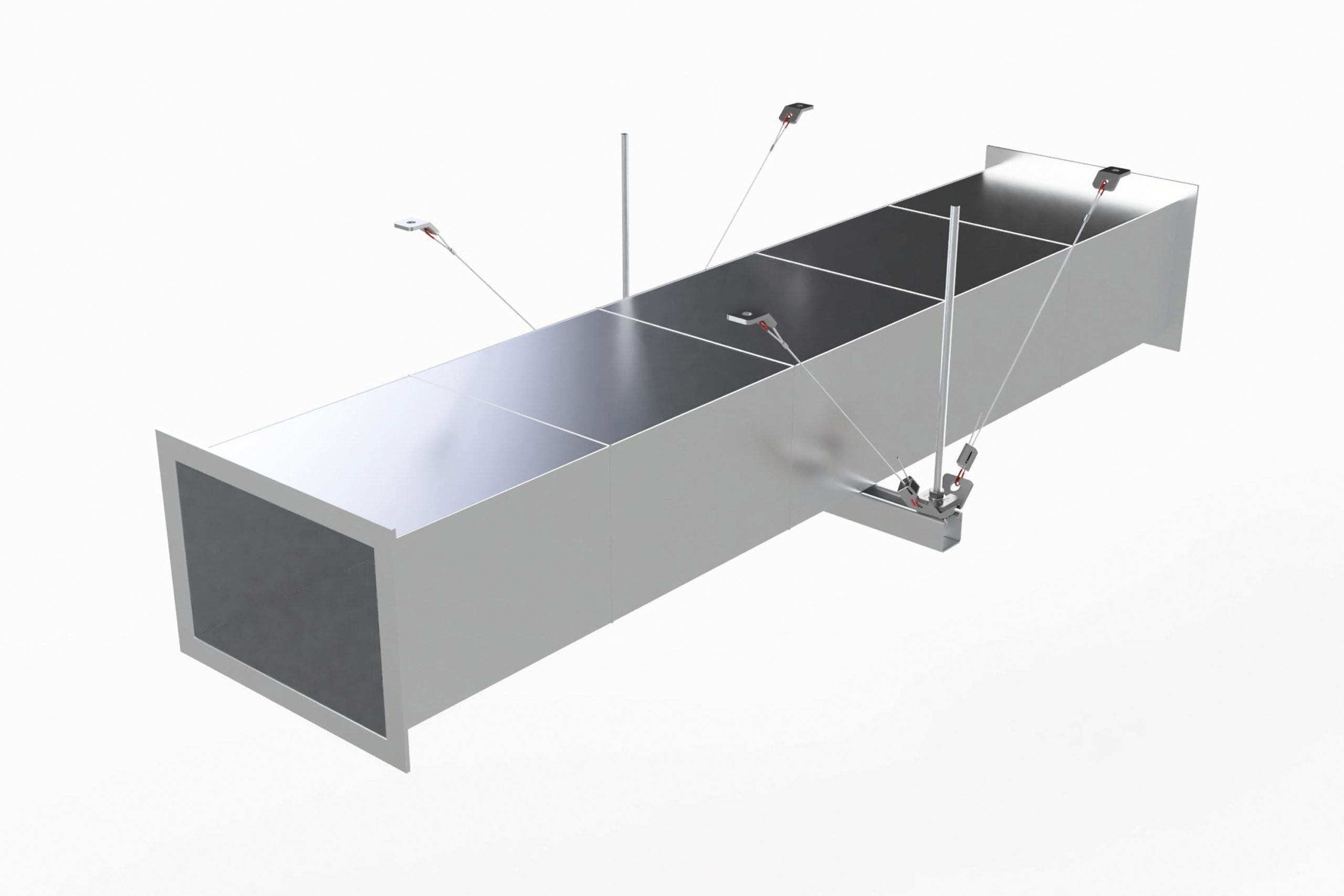
One of the key components of a seismic bracing system is the brace. Braces are usually made of steel and are strategically placed throughout the building to provide additional support and stability. These braces help to transfer the lateral forces generated during an earthquake to the building’s foundation, preventing excessive swaying and potential damage. Braces are often designed to be flexible to allow for some movement while still providing the necessary support to the structure.
In addition to braces, diagonal members are another crucial element of a seismic bracing system. Diagonal members are used to connect the braces to the building frame, creating a system of interconnected elements that work together to resist seismic forces. By forming a diagonal pattern across the structure, these members help to distribute the forces evenly and reduce the risk of localized damage.
Furthermore, seismic bracing systems also include dampers and base isolators, which are designed to absorb and dissipate the energy generated during an earthquake. Dampers are devices that are placed within the braces to provide additional resistance to movement, while base isolators are used to separate the building from its foundation, allowing it to move independently during an earthquake. These additional components play a critical role in enhancing the overall effectiveness of a seismic bracing system.
The primary function of a seismic bracing system is to improve the overall resilience of a building against seismic forces. By preventing excessive movement and reducing the risk of structural damage, a well-designed seismic bracing system can significantly increase the chances of a building surviving an earthquake with minimal damage. This is especially important in regions with a high risk of seismic activity, where buildings must be able to withstand the forces generated by a major earthquake.
In addition to enhancing the structural integrity of a building, seismic bracing systems also play a crucial role in ensuring the safety of its occupants. In the event of an earthquake, a properly installed seismic bracing system can help to minimize the risk of injuries and fatalities by preventing the collapse of the building. This is particularly important in high-rise buildings, where the potential for damage and casualties is significantly higher.
Moreover, seismic bracing systems are not only essential for new construction but also for existing buildings that need to be retrofitted to meet current seismic safety standards. In many earthquake-prone regions, building codes require the installation of seismic bracing systems in both new and existing structures to ensure their safety and stability. Retrofitting older buildings with seismic bracing systems can help to improve their resilience and reduce the risk of collapse during an earthquake.
In conclusion, seismic bracing systems are integral to the safety and structural integrity of buildings in earthquake-prone areas. By providing additional support and stability, these systems help to protect buildings from the damaging effects of seismic forces and increase their chances of surviving an earthquake with minimal damage. Whether it is for new construction or retrofitting existing buildings, investing in a reliable seismic bracing system is crucial for ensuring the safety of both the building and its occupants in the face of potential earthquakes.